

If you’re a woman over 40 and you’ve noticed that losing weight feels harder than ever, that your joints ache more in the morning, or that belly fat seems to appear out of nowhere — inflammation might be the hidden culprit. An anti-inflammatory diet for women over 40 isn’t just another trendy eating plan. It’s an evidence-informed way of eating that may help with some of the changes that come with hormonal shifts and aging. What you eat is one of several factors that influence chronic, low-grade inflammation. And once you understand the connection between menopause weight gain and chronic inflammation, everything starts to make so much more sense.
What Is Chronic Inflammation (And Why Should Women Over 40 Care)?
Here’s the thing — inflammation isn’t always bad. When you cut your finger or catch a cold, acute inflammation is your body’s natural healing response. White blood cells rush to the scene, do their job, and the inflammation resolves. That’s healthy. The problem starts when inflammation becomes chronic — a low-grade, simmering fire that never fully goes out.
For women over 40, chronic inflammation becomes a particularly sneaky issue because of what’s happening hormonally. As estrogen levels begin to decline during perimenopause and menopause, the body loses one of its natural regulators of inflammation. Estrogen helps regulate the immune system and keep inflammation in check. When it drops, inflammatory markers like C-reactive protein (CRP) and interleukin-6 (IL-6) tend to rise.
This isn’t just about feeling achy. Chronic inflammation is linked to insulin resistance (which can make it harder to lose belly fat after 40), joint pain, poor sleep, and an increased risk of heart disease and type 2 diabetes. If you’ve been wondering why how to lose weight after 40 feels like solving a puzzle with missing pieces, addressing inflammation might just be the piece you’ve been missing.
Top 10 Anti-Inflammatory Foods Every Woman Over 40 Should Eat
The foundation of an anti-inflammatory diet for women over 40 is built on whole, nutrient-dense foods that research links to lower inflammation. These aren’t exotic superfoods you can only find at specialty stores — they’re accessible and easy to use. Let’s break them down.
1. Fatty Fish (Salmon, Sardines, Mackerel)
If there’s one food that deserves a gold medal for fighting inflammation, it’s fatty fish. Salmon, sardines, and mackerel are loaded with omega-3 fatty acids — specifically EPA and DHA — which directly inhibit the production of inflammatory molecules called prostaglandins and cytokines.
For women over 40, omega-3s are especially important because they also support heart health, brain function, and mood regulation — all areas that can take a hit during hormonal transitions. Aim for at least two to three servings per week. Wild-caught salmon is ideal, but canned sardines are an affordable and convenient option that packs just as much anti-inflammatory punch.
2. Extra Virgin Olive Oil
Extra virgin olive oil is the cornerstone of the Mediterranean diet — widely considered the best diet for women over 40 — and for good reason. It contains oleocanthal, a compound that a laboratory study found acts on the same enzymes as ibuprofen, although the amount in olive oil is far below a medicinal dose. It’s also rich in polyphenols and monounsaturated fats that protect your heart and support healthy cholesterol levels.
Use it generously as a salad dressing, drizzle it over roasted vegetables, or use it for low-to-medium heat cooking. Just make sure you’re buying true extra virgin olive oil (look for a harvest date on the bottle and buy from reputable brands).
3. Berries (Blueberries, Strawberries, Raspberries)
Berries are nature’s anti-inflammatory candy. They’re packed with anthocyanins — the pigments that give them their deep, vibrant colors — which are potent antioxidants that neutralize free radicals and reduce inflammatory markers in the blood.
Blueberries have been studied for their effects on inflammation, although most of the evidence comes from lab and short-term studies. A cup of mixed berries daily is a simple habit that fits any healthy diet. Add them to smoothies, yogurt, or just eat them by the handful.
4. Leafy Greens (Spinach, Kale, Swiss Chard)
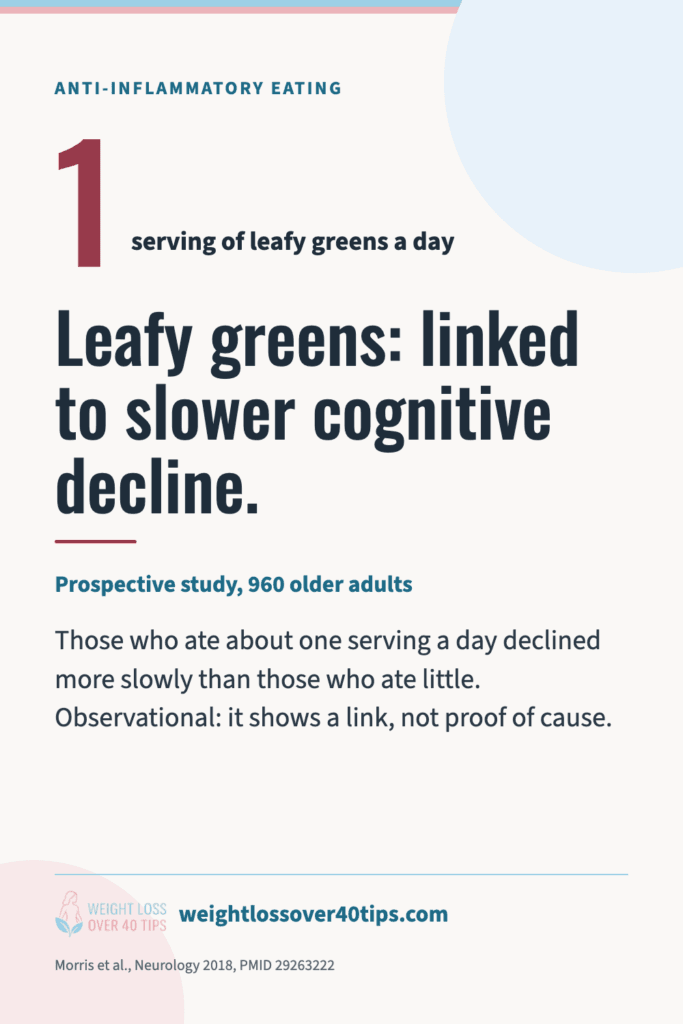
Dark leafy greens are loaded with vitamins A, C, E, and K, along with folate and a variety of phytonutrients that combat oxidative stress. In a prospective study of 960 older adults, those who ate about one serving of green leafy vegetables a day had slower cognitive decline than those who ate little, although observational studies cannot prove cause and effect.
For women over 40, these greens also offer calcium and magnesium — minerals that are crucial for bone health as estrogen declines. Try to include at least two cups of leafy greens daily, whether in salads, sautéed as a side dish, or blended into a morning smoothie.
5. Turmeric
Turmeric has earned its reputation as a superstar anti-inflammatory spice, and the science backs it up. Curcumin, the active compound in turmeric, has been widely studied for its effects on inflammation, mostly in lab studies and small trials. It is not a substitute for medication, and curcumin supplements can interact with some drugs, including blood thinners.
The catch is that curcumin is poorly absorbed on its own. Always pair turmeric with black pepper (which contains piperine and increases absorption by up to 2,000%) and a source of fat. A golden milk latte made with turmeric, black pepper, and coconut milk is a wonderfully soothing evening ritual.
Looking for the right supplements to support your anti-inflammatory journey? The right supplements can complement your diet and help fill nutritional gaps. Check out our guide to the best supplements for weight loss over 40.
6. Ginger
Ginger is another powerful anti-inflammatory root that’s been used medicinally for thousands of years. It contains gingerols and shogaols, compounds that inhibit the synthesis of pro-inflammatory prostaglandins and leukotrienes. Studies have also shown that ginger can help reduce muscle soreness after exercise and ease digestive discomfort — both common concerns for women in midlife.
Fresh ginger is the most potent form. Grate it into stir-fries, steep it in hot water for tea, or add it to smoothies. It is an easy way to add flavor without added sugar or salt.
7. Avocados
Avocados are rich in monounsaturated fats, potassium, magnesium, and fiber — all of which contribute to their anti-inflammatory properties. In a small pilot study of 11 healthy adults, adding avocado to a hamburger reduced some markers of the inflammatory response compared with eating the hamburger alone.
For women over 40, avocados also help with satiety, which makes them a valuable tool for managing portion sizes and preventing overeating. Half an avocado daily is a great target.
8. Nuts (Walnuts and Almonds)
Walnuts are the omega-3 champions of the nut world, containing alpha-linolenic acid (ALA) that the body can partially convert to EPA and DHA. Almonds are rich in vitamin E, a fat-soluble antioxidant that protects cells from inflammatory damage. Both are excellent sources of healthy fats, fiber, and protein.
A small handful (about one ounce) daily has been associated with lower levels of CRP and IL-6 in multiple studies. Keep a bag of raw, unsalted mixed nuts at your desk or in your bag for an easy snack. For more on energy and metabolism, see boost metabolism after 40.
9. Green Tea
Green tea is loaded with a catechin called EGCG (epigallocatechin gallate), one of the most studied anti-inflammatory and antioxidant compounds in nature. EGCG has been shown to reduce the production of pro-inflammatory cytokines and protect against cellular damage.
Beyond its anti-inflammatory benefits, green tea also has a modest thermogenic effect, meaning it can slightly increase calorie burning. Two to three cups daily is a wonderful habit to adopt. If you’re sensitive to caffeine, try matcha in the morning and switch to decaf green tea in the afternoon.
10. Dark Chocolate (70%+ Cacao)
Yes, chocolate made the list — but we’re talking about the real deal here, not a candy bar. Dark chocolate with at least 70% cacao content is rich in flavanols, which have been linked to better blood vessel function. It also provides some magnesium.
One to two small squares (about one ounce) after dinner is a satisfying way to end your day while doing something genuinely good for your body. Look for brands with minimal added sugar and simple ingredient lists.
Foods That Cause Inflammation (What to Avoid or Reduce)
An anti-inflammatory diet for women over 40 isn’t just about adding good foods — it’s equally important to reduce or eliminate the foods that are actively stoking the inflammatory fire in your body. Here are the biggest offenders:
- Refined sugars and high-fructose corn syrup — Found in sodas, candy, baked goods, and many processed foods. Diets high in added sugar are linked to higher inflammatory markers, and sugary foods are easy to overeat.
- Refined carbohydrates — White bread, white pasta, pastries, and most breakfast cereals. These behave like sugar in your body, causing rapid blood sugar spikes and inflammatory responses.
- Trans fats and industrial seed oils — Partially hydrogenated oils (found in older margarines, some commercial baked goods and fried fast food) are strongly linked to inflammation and heart disease. Evidence on everyday vegetable oils such as soybean and corn oil is mixed.
- Processed meats — Hot dogs, sausages, bacon, and deli meats contain advanced glycation end products (AGEs) and nitrates that promote inflammatory pathways.
- Excessive alcohol — Heavy drinking is linked to higher inflammation and many other health risks, so keeping alcohol low is sensible.
- Artificial sweeteners and additives — Some research suggests that artificial sweeteners may disrupt gut bacteria in ways that promote inflammation. Emulsifiers and artificial colors may have similar effects.
You don’t have to be perfect. The goal isn’t to never eat a cookie again — it’s to shift the overall balance of your diet toward anti-inflammatory choices. When you’re comparing different eating approaches, our guide on keto vs mediterranean diet for women over 40 can help you figure out which framework works best with an anti-inflammatory approach.
Struggling with meal planning? If preparing anti-inflammatory meals from scratch feels overwhelming, a quality meal delivery service can take the guesswork out of healthy eating. Explore the best meal delivery options for weight loss over 40.
7-Day Anti-Inflammatory Meal Plan for Women Over 40
Here’s a practical, easy-to-follow one-week meal plan that puts all of these anti-inflammatory principles into action. Every meal is designed to be nourishing, satisfying, and simple to prepare. Feel free to swap similar foods based on your preferences and what’s in season.
| Day | Breakfast | Lunch | Dinner | Snack |
|---|---|---|---|---|
| Monday | Greek yogurt with blueberries, walnuts & a drizzle of honey | Spinach salad with grilled salmon, avocado & olive oil dressing | Turmeric chicken with roasted sweet potatoes & steamed broccoli | Apple slices with almond butter |
| Tuesday | Green smoothie (spinach, banana, ginger, chia seeds, almond milk) | Turkey lettuce wraps with avocado, tomato & a side of mixed berries | Baked sardines with quinoa & sautéed kale in olive oil | Handful of walnuts & dark chocolate |
| Wednesday | Overnight oats with raspberries, flaxseed & cinnamon | Lentil soup with turmeric, ginger & a side salad with olive oil | Grilled mackerel with roasted Brussels sprouts & brown rice | Celery sticks with hummus |
| Thursday | Scrambled eggs with spinach, tomatoes & avocado on whole grain toast | Chickpea & vegetable bowl with tahini dressing & leafy greens | Slow-cooker anti-inflammatory chicken stew with root vegetables | Mixed berries with a handful of almonds |
| Friday | Matcha green tea latte with a berry & nut granola bowl | Grilled salmon salad with mixed greens, olive oil & lemon dressing | Stir-fried shrimp with ginger, garlic, snap peas & cauliflower rice | Guacamole with veggie sticks |
| Saturday | Sweet potato & kale frittata with fresh herbs | Mediterranean wrap with hummus, grilled chicken, greens & olives | Baked cod with roasted asparagus & a quinoa-walnut pilaf | Dark chocolate squares & green tea |
| Sunday | Turmeric golden milk pancakes with fresh strawberries | Leftover anti-inflammatory stew with a side of avocado | Herb-crusted salmon with roasted Mediterranean vegetables & olive oil | Trail mix (almonds, walnuts, dried tart cherries) |
This meal plan naturally aligns with the principles that make the Mediterranean diet so effective for women in midlife. If you want to explore other structured eating approaches, check out our comparison of the best weight loss programs for women over 40 to find one that fits your lifestyle.
Anti-Inflammatory Lifestyle Tips Beyond Diet
While food is the most powerful tool in your anti-inflammatory toolkit, it’s not the only one. These lifestyle factors can either amplify your dietary efforts or completely undermine them. Here’s what to focus on:
Prioritize Quality Sleep
Sleep deprivation is one of the most potent triggers of inflammation — and it’s incredibly common among women over 40, thanks to night sweats, hormonal fluctuations, and stress. Short or disrupted sleep has been linked to higher levels of inflammatory markers such as CRP and IL-6. Your body does its most important repair and anti-inflammatory work during deep sleep. Aim for 7 to 8 hours, keep your bedroom cool (between 60-67°F), avoid screens an hour before bed, and consider a magnesium supplement if you struggle with sleep quality.
Manage Stress Intentionally
Chronic stress pumps out cortisol, which in the short term suppresses inflammation but over time actually promotes it. Chronic stress also makes it harder to sleep well and stick to healthy habits. Incorporate stress management practices that work for you, whether that’s a 10-minute morning meditation, deep breathing exercises, journaling, spending time in nature, or simply saying no to commitments that drain you.
Move Your Body (But Don’t Overdo It)
Regular moderate exercise is linked to lower inflammation and improves insulin sensitivity. Very hard training without enough recovery can leave you run down, so balance intense sessions with easier days. The sweet spot is a combination of moderate cardio (brisk walking, swimming, cycling), strength training (crucial for maintaining muscle mass and bone density), and flexibility work (yoga, stretching). For specific guidance, our article on exercises for weight loss after 40 breaks down the best approach for your body at this stage of life.
Consider Intermittent Fasting
Some people like to combine an anti-inflammatory diet with a gentle eating window such as 14:10, although evidence that fasting itself lowers inflammation in people is still limited. If you’re curious about this approach, our detailed guide on intermittent fasting for women over 40 covers everything you need to know, including how to do it safely during perimenopause and menopause.
Ready to build a complete weight loss strategy? An anti-inflammatory diet works best when combined with the right exercise routine and lifestyle habits. Discover our complete roadmap for how to lose weight after 40.
Frequently Asked Questions About the Anti-Inflammatory Diet
How quickly will I see results on an anti-inflammatory diet?
It varies from person to person. Some people notice better digestion and energy within a few weeks of eating more whole foods and less processed food. Weight loss still depends on your overall calorie intake, and belly fat comes off as part of overall fat loss. However, keep in mind that this is a lifestyle shift, not a quick fix. The most profound changes — like improved blood markers, reduced disease risk, and sustained weight management — build over months of consistent anti-inflammatory eating.
Is the anti-inflammatory diet the same as the Mediterranean diet?
They’re close cousins, but not identical. The Mediterranean diet is one specific eating pattern that happens to be highly anti-inflammatory, emphasizing olive oil, fish, vegetables, whole grains, and moderate wine consumption. An anti-inflammatory diet is a broader concept that can incorporate elements from various dietary patterns — including Mediterranean, paleo, and even some principles from plant-based diets. What unites all anti-inflammatory approaches is the emphasis on whole foods, healthy fats, abundant vegetables, and the elimination of processed and sugary foods. If you’re trying to decide between different structured approaches, our comparison of the smoothie diet vs Noom might also be helpful for finding a framework that suits your preferences.
Can I still drink coffee on an anti-inflammatory diet?
Good news for coffee lovers — yes, you can. Coffee is actually rich in antioxidants and polyphenols, and moderate consumption (two to three cups per day) has been associated with lower levels of inflammatory markers in several large studies. The key is how you drink it. Skip the sugary coffeehouse drinks loaded with flavored syrups and whipped cream. Black coffee or coffee with a splash of unsweetened almond milk or coconut cream is your best bet. If coffee bothers your stomach or disrupts your sleep, green tea is an excellent anti-inflammatory alternative.
Do I need to take anti-inflammatory supplements?
A well-planned anti-inflammatory diet should provide most of what you need, but there are a few supplements worth considering for women over 40. A high-quality fish oil supplement can help ensure you’re getting enough omega-3s, especially if you don’t eat fatty fish regularly. Vitamin D is worth checking with your doctor, especially if you get little sun. Curcumin supplements (look for ones with piperine for better absorption) can also be beneficial. Some people take magnesium for sleep, although the evidence is limited. Always talk to your healthcare provider before starting new supplements, especially if you’re on medications.
Will an anti-inflammatory diet help with menopause symptoms?
It may help with some of them, although research is limited. Healthy eating patterns rich in vegetables, fruit, fish and whole grains support overall health through menopause, and some people find they feel better overall. Combining it with regular exercise and stress management is a sensible approach during perimenopause and menopause. It won’t eliminate every symptom, but it can make a meaningful difference in how you feel day to day.
Medical Disclaimer: The information provided in this article is for educational and informational purposes only and is not intended as medical advice. It should not be used as a substitute for professional medical advice, diagnosis, or treatment. Always consult with a qualified healthcare provider before making significant changes to your diet, starting a new exercise program, or taking supplements — especially if you have existing health conditions, are taking medications, or are pregnant or nursing. Every woman’s body is different, and what works for one person may not be appropriate for another. The authors and publishers of this article are not responsible for any adverse effects or consequences resulting from the use of any information, suggestions, or procedures described in this article.
Get Your Free 7-Day Meal Plan
Join women over 40 getting weekly weight loss tips, meal plans, and honest program reviews.